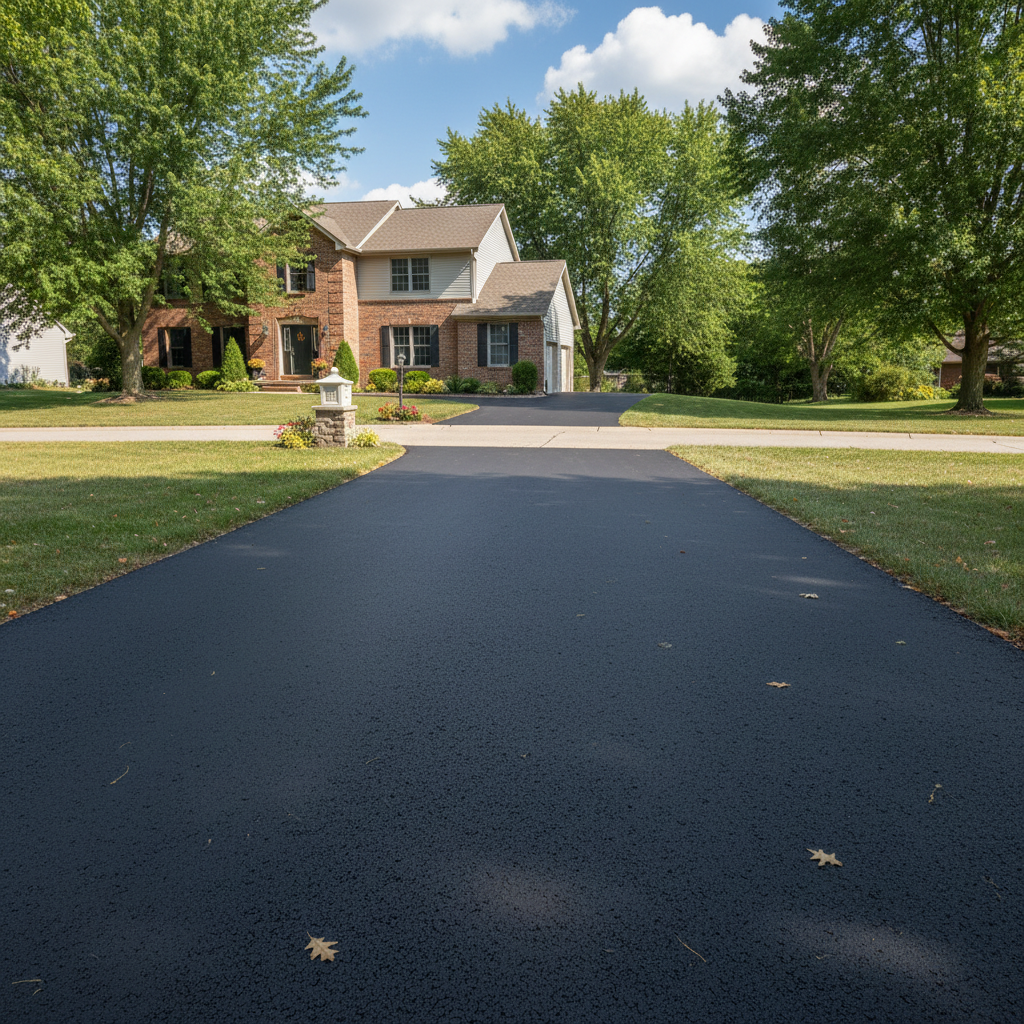
So, you just put in a new asphalt driveway or parking lot, right? Or maybe you're staring at your old one, wondering how to keep it from falling apart. That's a totally fair question, especially with the kind of winters we get here in South Bend. I've been in this business for a long time, and believe me, I've seen firsthand what makes asphalt last and what just makes it crumble.
Extending the Life of Your Asphalt Pavement
The biggest thing you can do to squeeze more years out of your asphalt is to shield it from the weather and all that heavy use. Think of it like taking care of your car; those regular check-ups stop bigger problems from popping up later.
- Sealcoating is your best friend: This is probably the most critical step. A good quality sealcoat every 2-3 years – depending on how much traffic it gets and how much sun it sees – acts like sunscreen and a waterproof barrier for your asphalt. It stops oxidation from the sun's UV rays, which, by the way, makes the asphalt brittle. Plus, it keeps water from seeping into the base. That water, especially when it freezes and thaws in our Indiana climate, is exactly what causes potholes and cracks.
- Proper drainage is key: You really need to make sure water isn't just sitting on your pavement. If you've got low spots where puddles form after a rain or when the snow melts, those areas are going to break down way faster. Sometimes it's how it was designed, sometimes it's just wear and tear. But if water hangs around, it'll definitely find a way in.
- Watch the edges: The edges of your driveway or parking lot are often the weakest spots. They can crumble if they don't have proper support from soil or a curb. Also, keep grass and weeds from pushing up through the asphalt at the edges; their roots can cause some serious damage.
- Limit heavy loads: Look, asphalt is tough, but repeatedly parking super heavy vehicles – like RVs, boats, or commercial trucks – in the exact same spot can cause depressions and cracks over time. Try to spread out the weight if you can, or maybe think about beefing up those areas.
Regular Maintenance: What You Should Be Doing
This isn't rocket science, honest, but it does need a little bit of attention. Just a few simple habits can save you a ton of money on repairs down the road.
- Keep it clean: Sweep off dirt, leaves, and other junk regularly. Organic stuff can hold moisture against the asphalt, and dirt can get abrasive over time, especially with cars driving over it.
- Deal with spills immediately: Oil, gas, and other automotive fluids? They're asphalt's arch-enemies. They can soften and actually dissolve the binder in the asphalt, leading to it falling apart. Clean them up with something absorbent, then wash the spot.
- Address cracks early: Small cracks are easy to fix, thankfully. Use a good quality crack filler as soon as you spot them. This is probably the second most important thing after sealcoating, no kidding. A crack is basically an open door for water to get into your sub-base, and once that happens, you're looking at bigger, more expensive problems like potholes and alligator cracking.
- Weed control: Pull any weeds or grass that start growing through cracks. If you let them go, their roots will expand those cracks and speed up the damage.
Warning Signs of Trouble
You don't have to be an expert to tell when your asphalt is yelling for help. Here are some things I always tell my customers to keep an eye out for:
- Cracks, especially alligator cracking: Small, isolated cracks are one thing. But if you start seeing a network of cracks all connected, looking just like an alligator's skin, that's a sign of serious sub-base failure. It means water has gotten underneath and really weakened the foundation.
- Potholes: These are pretty obvious, aren't they? They form when water gets into cracks, freezes, expands, and then thaws, taking pieces of the asphalt right with it. Don't ignore them; they'll only get bigger.
- Fading and aggregate exposure: If your asphalt looks gray instead of black, and you can see a lot of those small stones (the aggregate) on the surface, it means the binder is wearing away. It's losing its protective layer and becoming much more vulnerable to water and UV damage.
- Depressions or humps: These can point to problems with the underlying base material settling or shifting. They're often what you see right before cracking and potholes start.
- Standing water: Like I said before, if water isn't draining off your pavement, that's a problem. A big one.
When to Call a Professional
Look, I'm all for doing things yourself, but some jobs are just better left to the pros. You can totally handle sweeping and filling small cracks, but when you start seeing those bigger warning signs, that's when you should give us a call at Valley Asphalt Solutions.
- Extensive cracking or alligatoring: If you've got large areas of interconnected cracks, you're probably beyond just simple crack filler. You might need patching, or even a complete overlay if the damage is widespread.
- Numerous potholes: One pothole can be patched, sure, but if your pavement looks like Swiss cheese, it's time for a more comprehensive repair.
- Significant drainage issues: If water is constantly pooling in big areas, it might need regrading or installing new drainage solutions. That's definitely not a DIY job.
- Asphalt crumbling at the edges: If your edges are falling apart, they need proper repair and support to stop further breakdown.
- Before sealcoating: While some folks try to sealcoat themselves, getting a professional to do it ensures proper cleaning, crack repair, and an even application that will actually last. We use commercial-grade sealants that you just can't pick up at the hardware store.
- You're unsure: If you're looking at your asphalt and just honestly don't know what to do, don't hesitate to call. We can come out, check things over, and give you an honest opinion on what needs to be done. We've seen it all, from the old, cracked driveways in the Near Northwest neighborhood to brand new parking lots needing their first sealcoat.
Taking care of your asphalt isn't just about making it look good; it's about protecting your investment and preventing bigger headaches down the line. A little proactive maintenance goes a long way, especially with the wild weather swings we experience here in Michiana.