Alright, let's talk slurry coating. I get a lot of calls and questions about this stuff, and honestly, there's a ton of misinformation floating around. As someone who’s been doing this for years with Valley Asphalt Solutions, I want to clear things up for you. This isn't just about making a sale; it's about helping you understand what you're getting into and if it's even the right fit for your property. So, here are the most common questions I hear, along with my straight answers.
What exactly IS slurry coating, and how's it different from sealcoating?
Good question. This is where most people get confused. Think of sealcoating as a thin, protective paint job for your asphalt. It's mostly for looks and a very light layer of protection, usually just a couple of coats of liquid asphalt emulsion. It’s perfect for fresh, healthy pavement, keeping it looking sharp and shielding it from UV rays and minor spills.
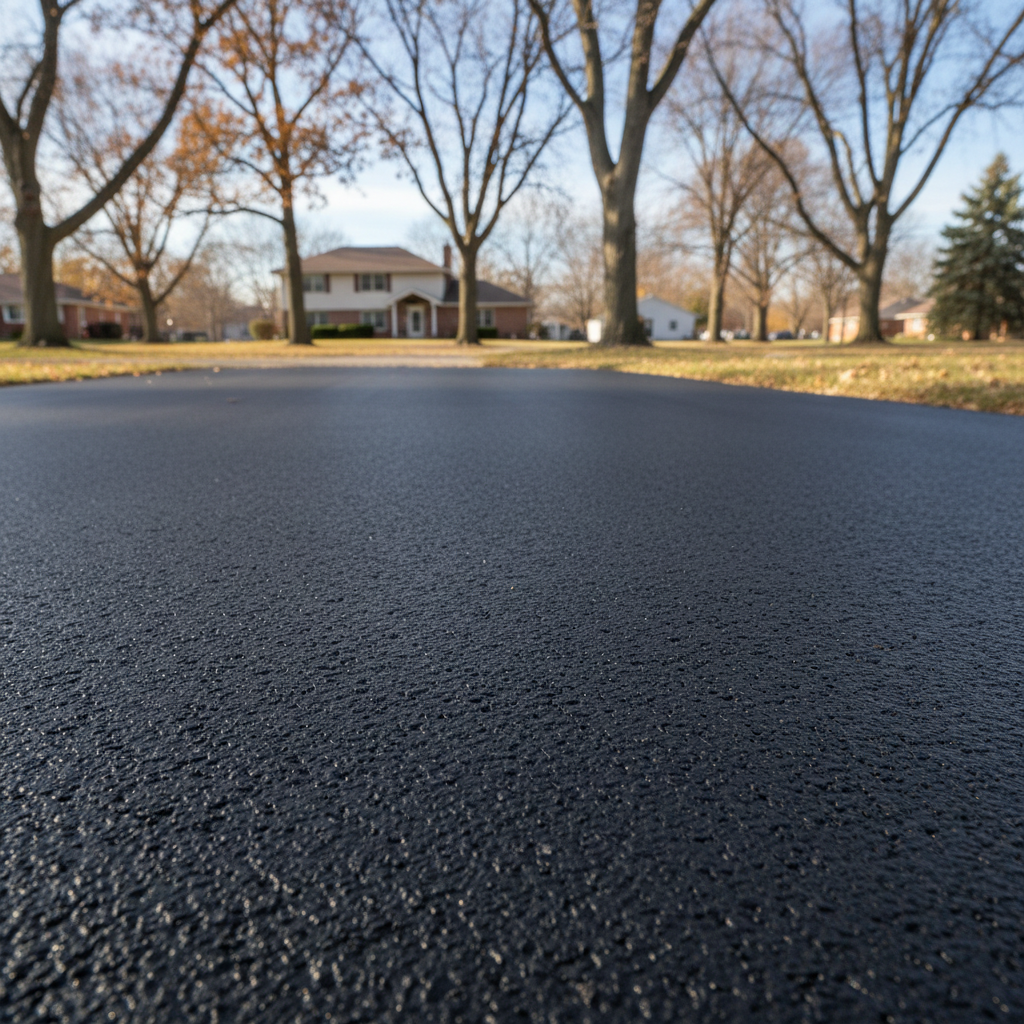
Slurry coating, though? That's a whole different animal. It’s a mix of asphalt emulsion, fine aggregates (we're talking tiny rocks and sand), water, and some chemical additives. When we put it down, it creates a much thicker, more substantial layer. It doesn't just sit on top; it actually fills in small cracks and voids, giving you a brand-new wearing surface. It's more like a thin, new layer of pavement than just a protective film, you know? It's really designed to extend your asphalt's life a lot more than standard sealcoating, especially if your pavement is starting to show its age a bit.
When is slurry coating the right choice for my driveway?
You'll want to consider slurry coating if your asphalt is starting to look a little worn, but isn't completely falling apart. I'm talking about driveways with a lot of hairline cracks, some minor surface deterioration, or where the aggregate is starting to show through. Maybe it's lost that deep black color and now looks gray and faded. Slurry coating can genuinely rejuvenate that surface, fill those small imperfections, and give it a fresh, durable top layer. It’s an excellent preventative measure, stopping small problems from turning into big, expensive ones. Now, if your driveway is already full of potholes, alligator cracking, or has major structural issues, slurry coating isn't going to fix that. You're probably looking at repairs or even replacement at that point.
How long does a slurry coat typically last in South Bend's weather?
That's a key question, especially with our winters here in South Bend. A well-applied slurry coat, using quality materials, should last you anywhere from 5 to 10 years. Now, that's a big range, right? The exact lifespan depends on a few things: the condition of your asphalt before we even start, the quality of the materials used (and believe me, there's a big difference), how well it's applied, and of course, the traffic it sees. Heavy trucks driving over it daily will wear it down faster than a residential driveway with just a couple of cars. Our freeze-thaw cycles around here, especially in neighborhoods like Rum Village, are tough on pavement, so proper application and curing are critical for longevity.
Can I apply slurry coating myself, or do I need a professional?
Look, I'm a big believer in DIY for some things. Changing a light fixture? Go for it. But slurry coating? I really, strongly recommend hiring a professional. This isn't like rolling on a coat of paint. The material is thick, it dries fast, and getting an even, consistent application that actually performs as it should takes experience and specialized equipment. If you mess up, it's not just a cosmetic issue; you could end up with an uneven surface, poor adhesion, or a coat that breaks down quickly, costing you more in the long run. We've got the right tools, the right training, and we know how to handle the specific conditions of our local climate to get it done right the first time.
What's the preparation process like before you apply the slurry?
Preparation is probably the most important part of the whole job, honestly. If you don't prep right, the best slurry in the world won't stick. First, we'll clean the surface thoroughly. That means sweeping, blowing, and sometimes even power washing to get rid of all dirt, debris, and loose material. Any oil spots or stains need treatment and removal, because slurry won't adhere to oil. Then, we'll address any larger cracks or potholes. We'll fill those with appropriate crack fillers or patching materials. The goal is to have a clean, stable, and relatively uniform surface for the slurry to bond to. It's a lot of work before the actual slurry even comes out of the truck, but it's what makes the difference between a good job and a bad one.
How long do I need to stay off my driveway after slurry coating?
This is crucial for proper curing. After we apply the slurry, you'll generally need to keep all foot and vehicle traffic off it for at least 24 to 48 hours. Sometimes longer, especially if it's cooler or more humid outside. The material needs to fully cure and harden. Driving on it too soon can leave tire marks, scuffs, or even pull up the fresh coating, ruining the finish and compromising its durability. We'll always give you specific instructions based on the weather conditions on the day of application. It's a bit of an inconvenience, I know, but it's essential for the longevity of your new surface. Plan ahead for where you'll park your car for a couple of days.